Japan Heritage Awaji Island
- Home
- Japan Heritage Awaji Island
Awaji, the Island of Kuniumi:
The Opening Chapter of the Kojiki
(The Oldest Historical Record of Japan)
— The Ama Who Sustained the Ancient State —
- Kuniumi Story (Japan's Creation Myth) – The Story of the Creation of Heaven and Earth Portrayed in the Kojiki
- The Umi-no-tami, Who Heralded the Bronze and Iron Ages
- The Ama, Who Supported Ancient Sovereigns through Salt Production and Seafaring Skills
- Miketsukuni – The Land That Produced Food for the Imperial Court
Kuniumi Story (Japan's Creation Myth) – The Story of the Creation of Heaven and Earth Portrayed in the Kojiki
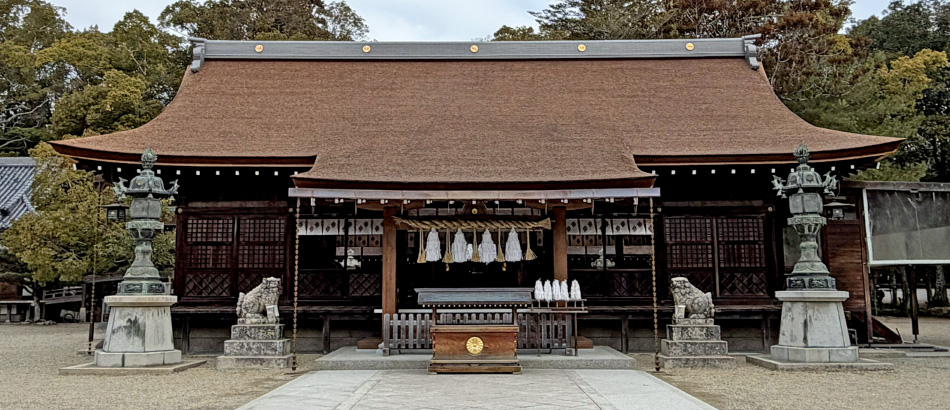
Awaji, the island at the heart of the Kuniumi Story. Here, the deities Izanagi-no-Mikoto and Izanami-no-Mikoto stirred the world below with the Ame-no-Nuboko, the Heavenly Jeweled Spear, bringing forth Awaji as the first of Japan's islands—a place unlike any other.
The Kuniumi Story (Japan's Creation Myth) adorns the opening of the Kojiki (the oldest surviving historical record of Japan). It recounts how the two deities, Izanagi-no-Mikoto and Izanami-no-Mikoto, churned the newly formed chaotic mass below with the heavenly spear, producing the sound “shio koworo, koworo.” At that time, briny drops dripped from the tip of the spear and solidified to form Onokoro Island.
On Onokoro Island, the two deities became husband and wife and created the islands of the Japanese archipelago, one after another. The first of those islands to be created was Awaji.
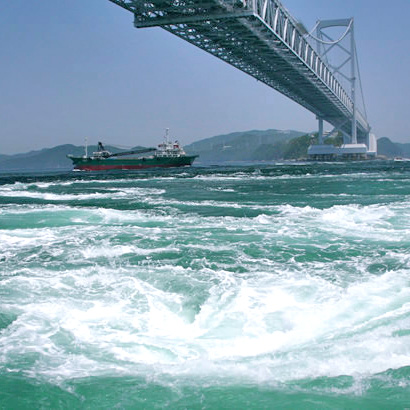
The image of the two deities churning the world below with the heavenly spear and the salty drops falling to create Onokoro Island recalls the salt-making practiced by the Ama, Awaji's ancient seafaring people. And the image depicted in the Kojiki of the world below being churned by the heavenly spear evokes the immense whirlpools of the Naruto Strait, where the Ama once flourished.
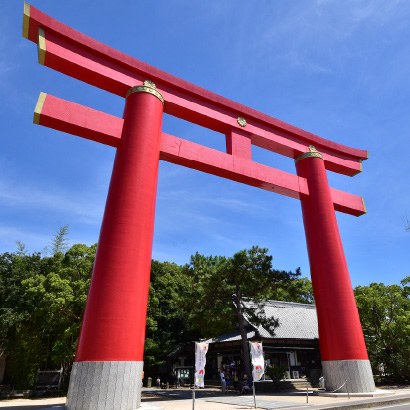
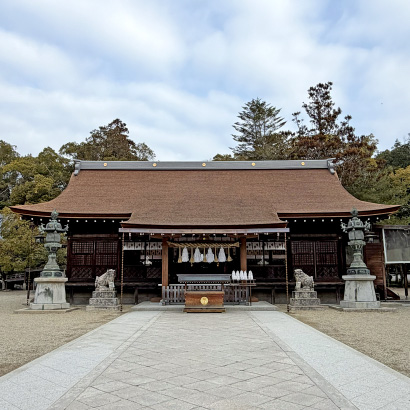
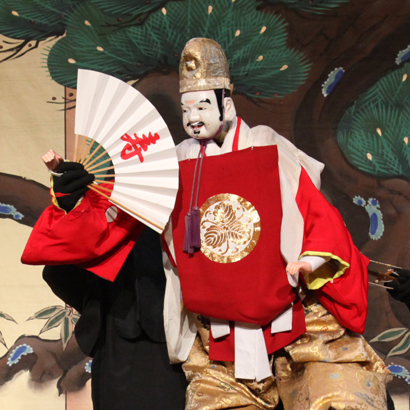
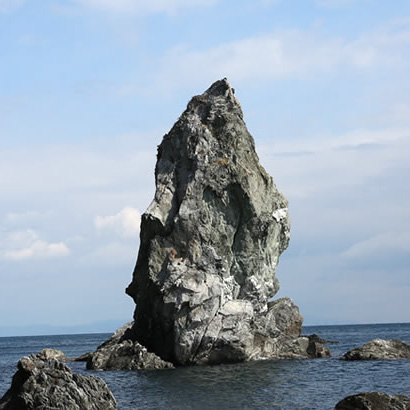
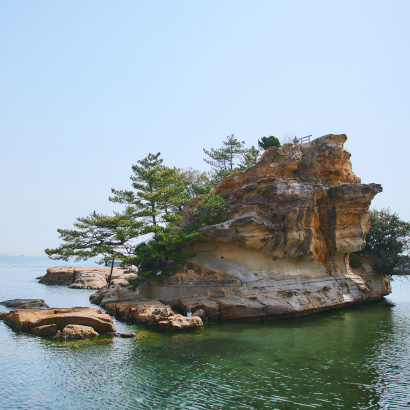
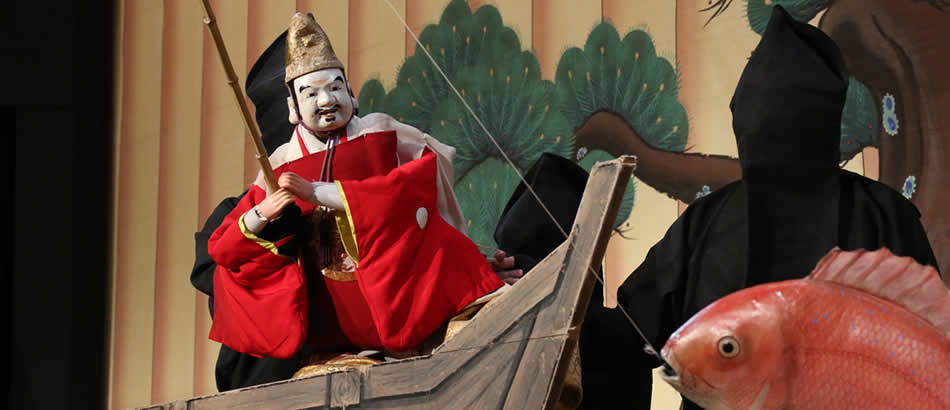
Today, the Naruto Strait is still home to one of the world's largest whirlpools, and numerous sites linked to the Onokoro Island legend are scattered across Awaji Island and its surrounding waters, including Eshima Island, Nushima Island, and the Onokorojima Jinja Shinto Shrine. Awaji Ningyō Jōruri, the island's traditional puppet theater, traces its roots to the Ebisu-mai (Dance of the Fishing and Shipping Deity) associated with the Kuniumi Story and has been carefully preserved by the local Awaji Puppet Theater Company.
More than 1,300 years after the Kojiki was compiled, this magnificent creation story continues to be passed down from generation to generation. On Awaji Island, the timeless story that began with Kuniumi Story lives on.
-
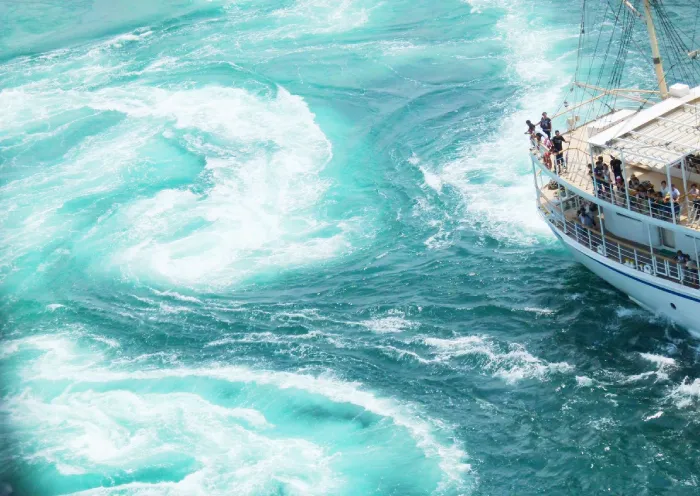
Naruto Strait and Whirling Tides
-
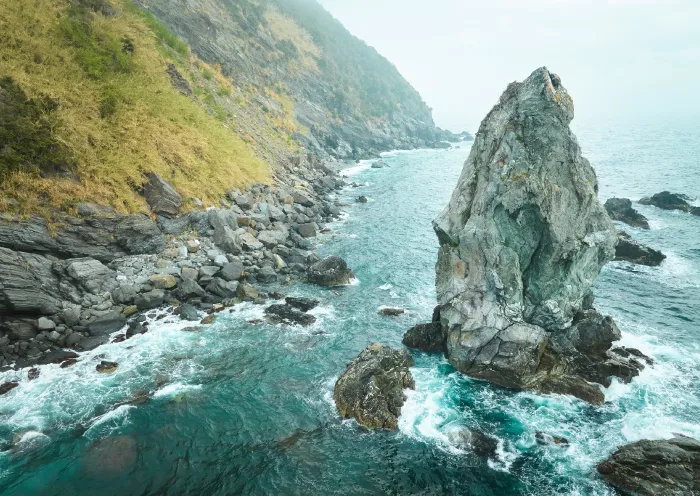
Nushima Island(Kamitategami-iwa Rock)
The Umi-no-tami, Who Heralded the Bronze and Iron Ages
The advent of metalworking technology brought sweeping change to Yayoi period society.
The people who brought this advanced technology and culture—and helped set Japan on the path toward the formation of the ancient state—were known as the Umi-no-tami.
Awaji Island lies at the eastern end of the Seto Inland Sea, which links the continent and the Korean Peninsula with territories around Kyoto and Nara, the ancient Imperial Capital. The largest island in the Seto Inland Sea, situated off the coast of the region around Kyoto and Nara, Awaji still preserves traces of the Umi-no-tami, the seafaring people who played a vital role during the formation of the ancient state. This history dates back to the Yayoi period (around 300 BC). This was a time of profound social change as society moved towards the establishment of an ancient state alongside the full-scale adoption of rice cultivation, and numerous archaeological sites from this period have been discovered on Awaji Island.
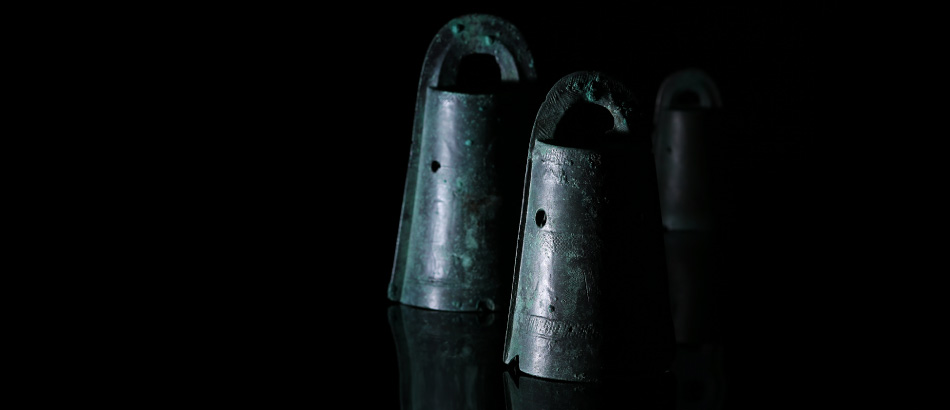
Among the most remarkable finds are 21 dotaku bronze bells and 14 bronze swords. Many were discovered along the coast. They include the seven Matsuho Dotaku, all found with their internal clappers intact; the 14 Kotsuro Bronze Swords, unearthed together in a single cache; and the Nikkoji and Keino Dotaku, both discovered in the former village of Keino.
The new form of enshrinement, in which the coast overlooking the Harimanada Sea was regarded as a sacred site for burial, evokes the involvement of the Umi-no-tami, who flourished on the island and its seas.
Settlements appeared in the uplands of Awaji Island from around 0 AD, seemingly replacing those on the plains where Bronze Age culture had flourished. Settlements like these were pioneers of Iron Age culture, which would profoundly change Yayoi-period society, even before it became established in the territories around Kyoto.
Excavations at the Gossakaito Archeological Site, where ironware production commenced in the 1st century, uncovered the remains of a workshop that had been in operation for more than a century, as well as iron axes brought from the Korean Peninsula. It is believed that along with metalware, the Umi-no-tami brought advanced technology and culture. At the Futatsuishi Ebisu-no-mae Archeological Site, the remains of a workshop where cinnabar was refined to produce shu (vermilion pigment), were discovered.
These periods of flourishing activity all occurred immediately before the emergence of Queen Himiko of Yamataikoku, the Japanese state in the early Yayoi period. The iron and the vermillion pigment produced by the Umi-no-tami in their mountain settlements were important materials later sought by emperors and are thought to be the keys to solving the riddles of the Great Civil War of ancient Japan.
-
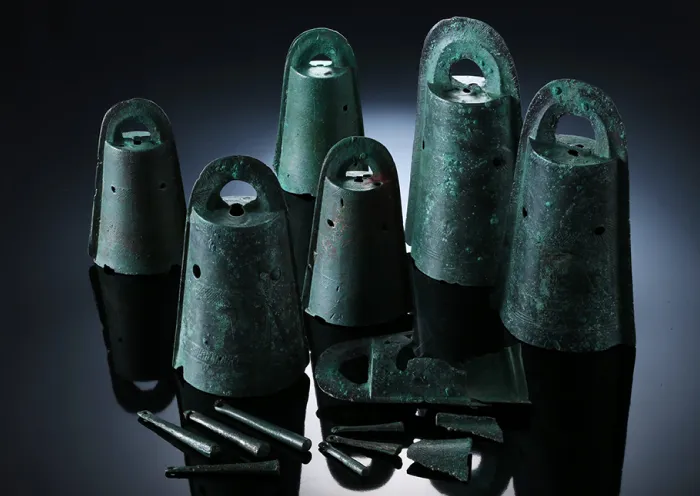
Matsuho Dotaku
-
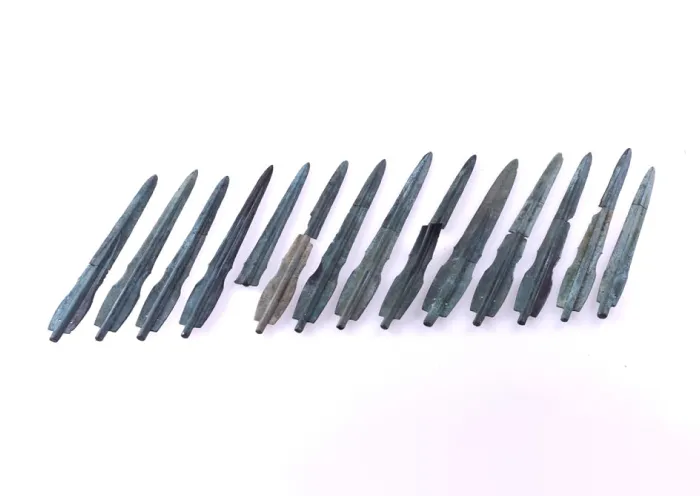
Kotsuro Bronze Swords
-
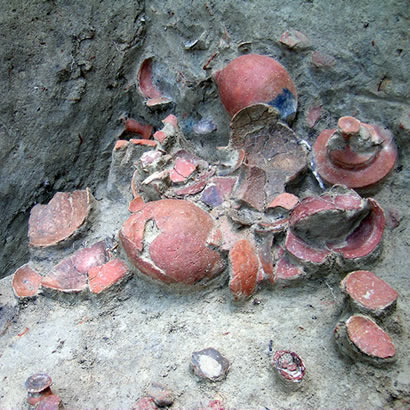
9Funaki Archeological Site
-
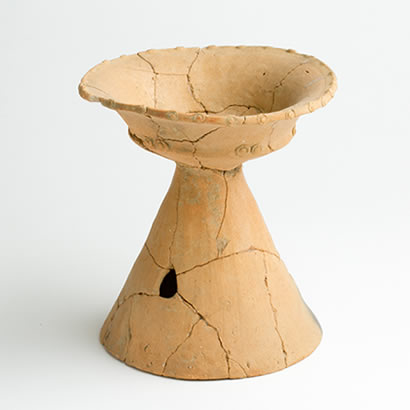
11Shimonaizen Archeological Site
-
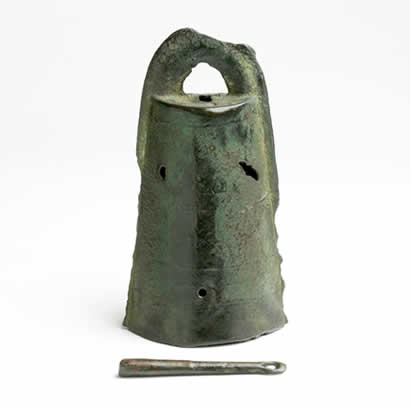
2Nikkoji Dotaku
-
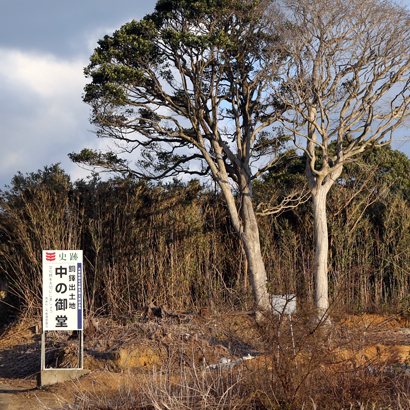
3Dotaku Archeological Site – Naka-no-Mido
-
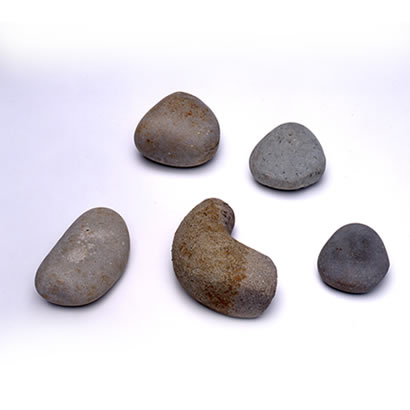
10Futatsuishi Ebisu-no-mae Archeological Site and Artifacts
-
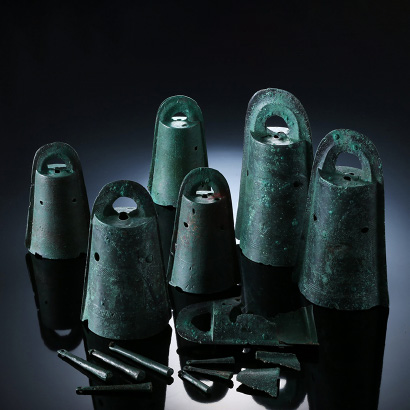
4Matsuho Dotaku
-
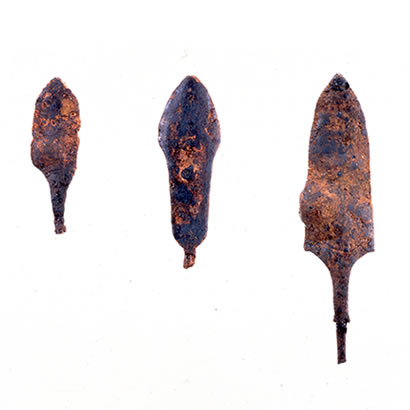
8Shiotsubonishi Archeological Site
-
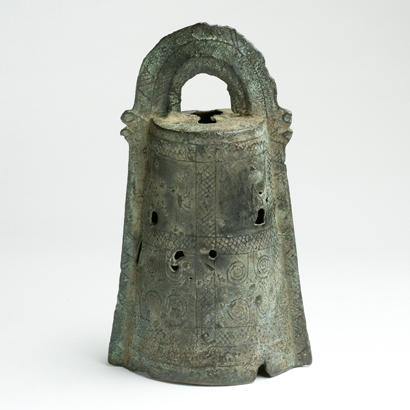
5Keino Dotaku
-
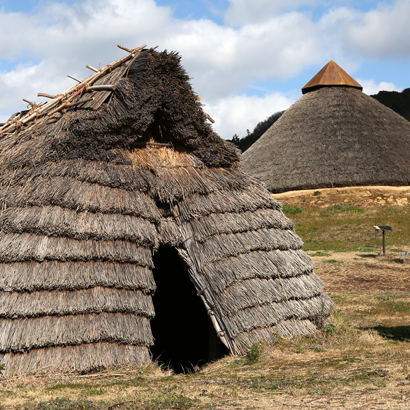
7Gossakaito Archeological Site and Artifacts
-
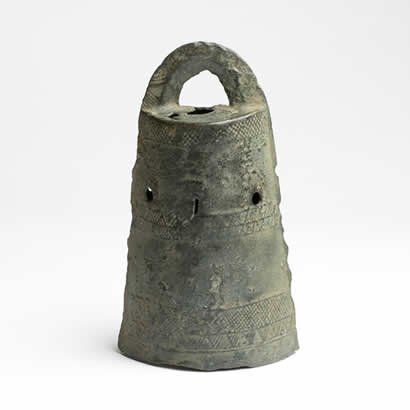
1Nakagawara Dotaku
-
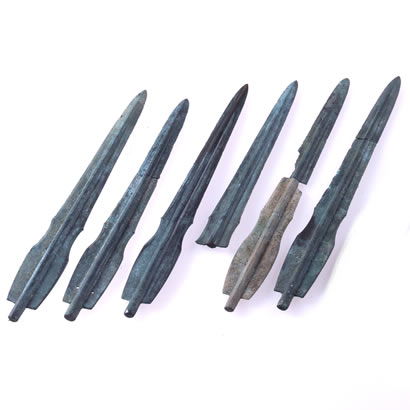
6Kotsuro Bronze Swords
The Ama, Who Supported Ancient Sovereigns through Salt Production and Seafaring Skills
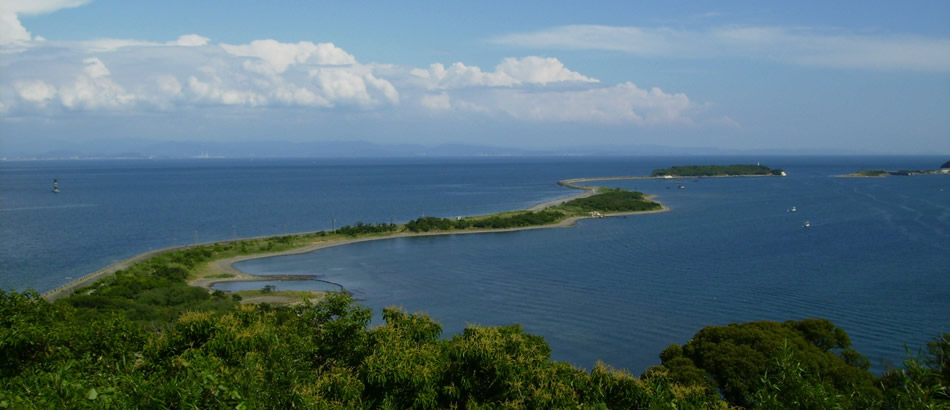
From the Umi-no-tami to the Ama. As these skilled mariners refined their salt-making methods and navigated their vessels with remarkable expertise, Awaji Island developed ever closer ties with the ruling powers. The work of the Ama helped sustain those rulers.
The Umi-no-tami of Awaji, who had brought advanced culture with metalware, later became known as the Ama. Accounts of Awaji Island's Ama appear in the Nihon Shoki (The Chronicles of Japan), offering us glimpses of their activities during the Kofun period, when emperors were buried in keyhole-shaped kofun burial mounds. The account describes the “Mihara no Ama,” a crew of oarsmen assembled to transport Emperor Ojin's consort to Kibi, and the “Awaji no Ama” who were dispatched to the Korean Peninsula before Emperor Nintoku's enthronement. The Ama are described in the Nihon Shoki as supporters of the sovereign, skillfully navigating the Akashi Strait, a perilous body of water in the Seto Inland Sea.
We also see the “Nojima no Ama,“ who fulfilled the role of a navy in a military action under the command of Azumi no Muraji Hamako before Emperor Richu's accession. These individual accounts of the Ama paint a clear picture of the close relationship between Awaji Island and the sovereigns. The place-names Mihara and Nojima remain on the island to this day.
Such archeological traces of the Ama are dotted throughout the island. Salt production, which started on the coast, developed into full-scale production during the 3rd century. By the 5th century, round-bottomed salt-making earthenware had been developed, followed in the 6th century by the introduction of stone-lined hearths with better thermal efficiency. The Hatada, Hikino, Kyujonai, and Kifune Jinja Archeological Sites reveal how salt production evolved as people aimed for quicker production and larger quantities. Mass-produced thanks to revolutionary salt-making technology, Awaji salt is thought to have been supplied to the sovereign power in the territories around Kyoto and Nara.
With their mastery of both navigation and salt production, the Ama became indispensable to the sovereign, who ruled the islands. Also pointing to a strong link with the sovereign is the discovery of the island's only Sankakubuchi Shinjukyo bronze mirror, excavated from the Koyadani Kofun. The presence of numerous fishing implements found buried as grave goods in the Oki-no-shima Kofun Group suggests these are the graves of Ama chieftains.
Through salt-making and seafaring, the Ama flourished without restraint across the seas and likely played a key role in supporting the formation of the ancient state.
-
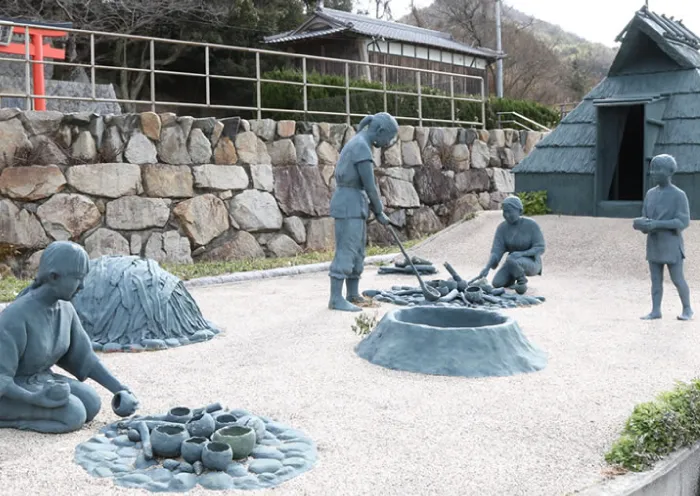
Kifune Jinja Archeological Site
-
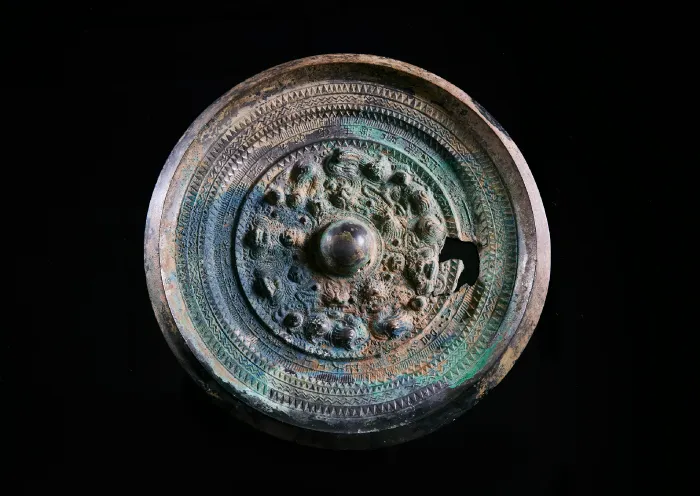
Koyadani Kofun Artifact – Sankakubuchi Shinjukyo
-

19Kidohara Archeological Site and Artifacts
-
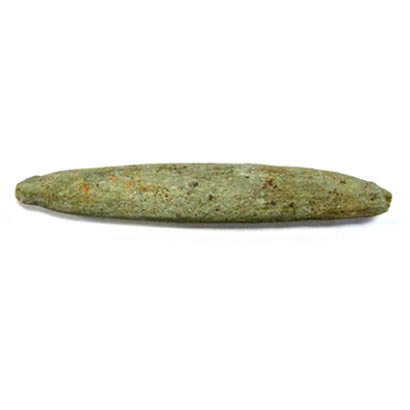
15Hatada Archeological Site Stone Rods
-
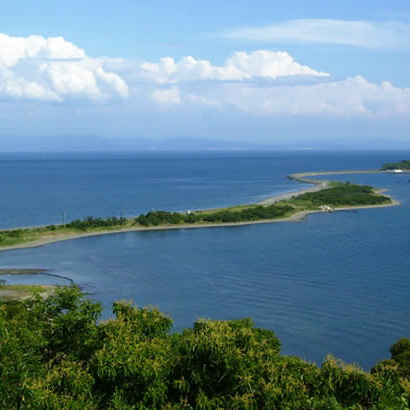
26Kitan Strait, Yura & Narugashima Island
-
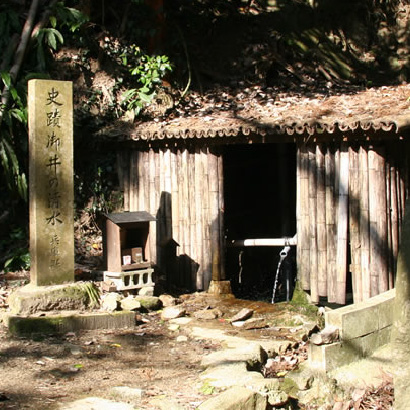
24Oi-no-Shimizu Spring
-
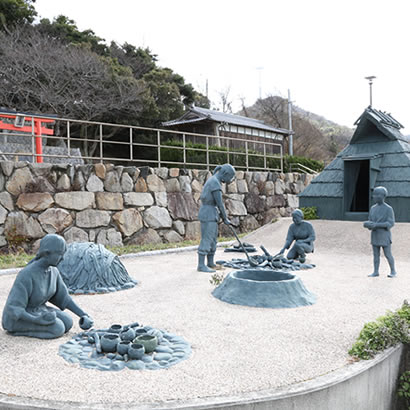
16Kifune Jinja Archeological Site
-
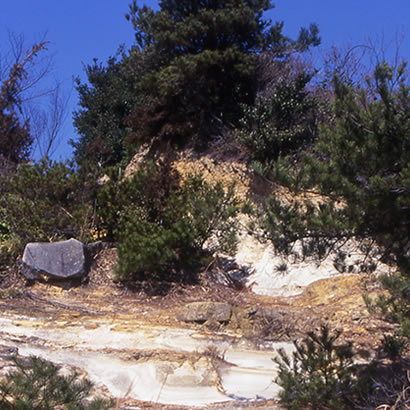
13Ishi-no-neya Kofun Group
-
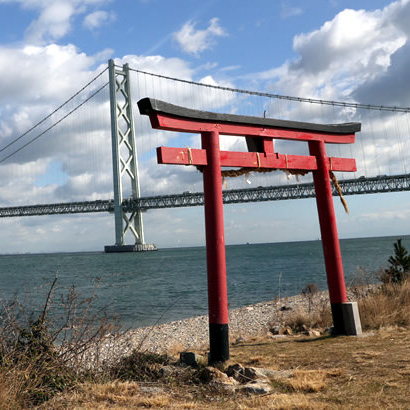
25Akashi Strait and Matsuho-no-ura Bay
-
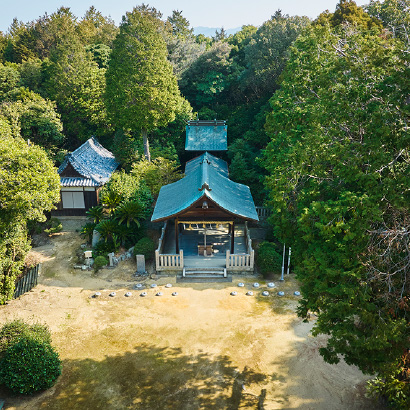
22Yamato Okunitama Jinja Shinto Shrine
-
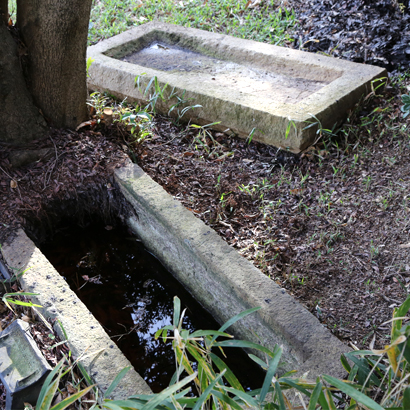
14Oka-no-tani No. 1 Tomb
-
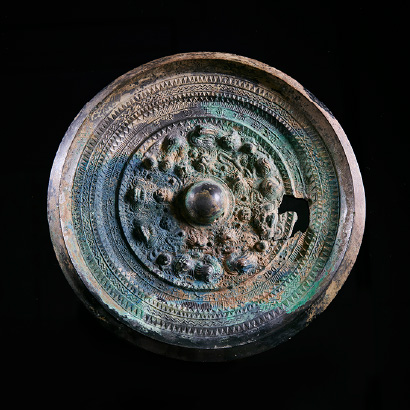
20Koyadani Kofun Artifact – Sankakubuchi Shinjukyo
-
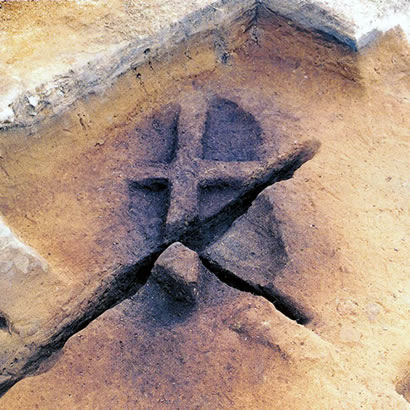
17Hikino Archeological Site
-
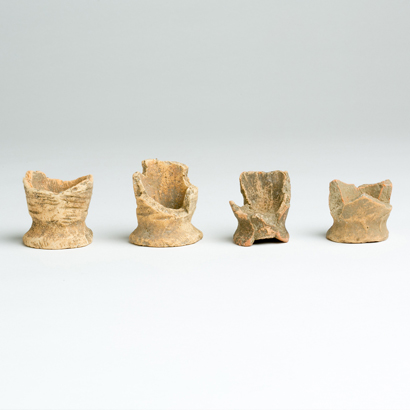
18Kyujonai Archeological Site
-
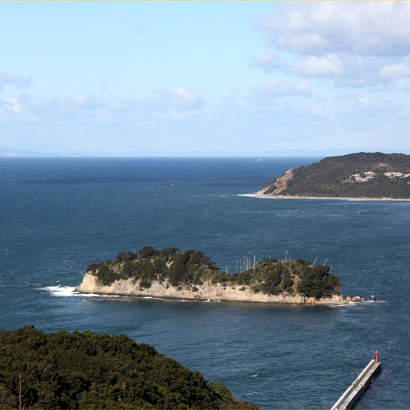
12Oki-no-shima Kofun Group and Stone Rods
Miketsukuni – The Land That Produced Food for the Imperial Court
The Ama of Awaji Island also forged close ties with the Imperial Court through food.
As the Miketsukuni (“the land that produced food for the Imperial Court”), the Ama bore responsibility for the Emperor's meals, bringing the island's prized salt and bounty from the sea to the ancient capital.
Surrounded in all four directions by the sea, Awaji Island has been renowned since ancient times for salt and marine products such as fish and seaweed. The Island's reputation was such that it reached all the way to the ancient capital, and mentions of “Awaji salt” and “Awaji, the ‘Miketsukuni'” can be found in numerous anthologies and other writings, including the Man'yōshū (Collection of ancient Japanese poetry).
In a long poem in the Man'yōshū, for example, Yamabe no Akahito portrayed the Ama continuing their salt-making traditions into the Nara period (710-794), as follows: “At Matsuho-no-ura / on Awaji Island / the Ama / gather seaweed / in the morning lull / and in the evening lull / burn it for salt...” Records in the Engishiki, compiled during the Heian period (794-1185), note that “Awaji salt” had been designated as the Jinkonjiki salt for use in a Tsukinami-sai ritual of the Imperial Court, a monthly Shinto ceremony in which the Emperor dined with the gods. The text clearly shows that Awaji salt, made by hand by the Ama, was considered something truly special.
Salt-making implements from various periods have been excavated at the archeological sites of Funaki, Hatada, Kifune Jinja, Hikino, Kyujonai, and Nushima Island. Together, they allow us to trace the history of salt making that sustained the Ama. At Oi-no-Shimizu spring (literally “pure waters of the imperial well”), whose water once supplied the Imperial Capital for use in the Imperial kitchen, pure, clean spring water continues to flow to this day.
Along with salt and water, the Ama sent a wide variety of fish and shellfish from their catches to the Imperial Capital. Excellent seafood and salt made with superb skill were presented to the Imperial Court from Awaji, the Miketsukuni, fulfilling its responsibility to supply food to the Imperial family. The Ama supported the sovereign and enriched life in the capital. Awaji's long history as a Miketsukuni remains alive today, welcoming guests with its diverse culinary culture.
-
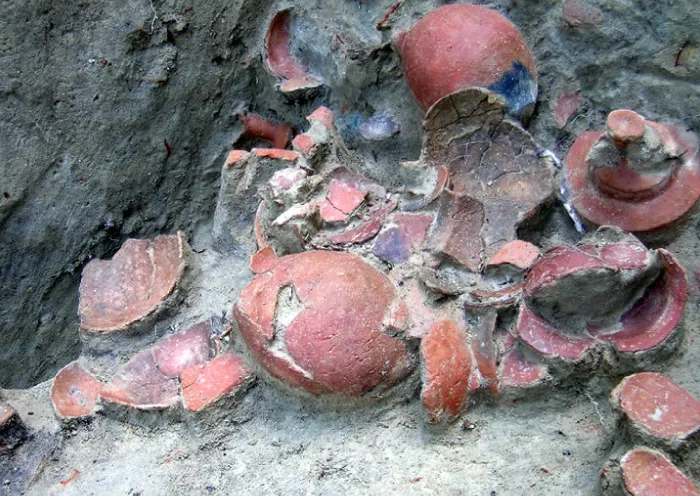
Funaki Archeological Site
-
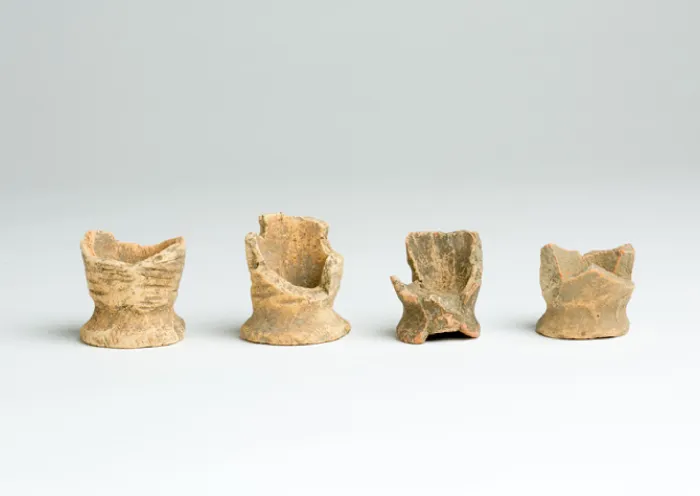
Kyujonai Archeological Site: Salt-making earthenware
