To the island where Japan began
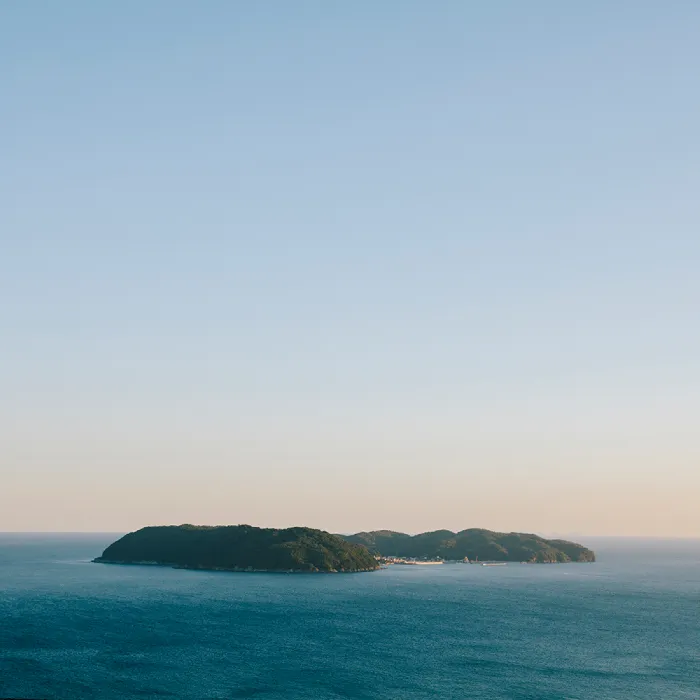
Awaji Island is a place steeped in the story of Japan's beginnings. According to the Kojiki, Japan's oldest surviving historical record, the deities Izanagi-no-Mikoto and Izanami-no-Mikoto created Awaji Island as the first island in the mythological birth of Japan.
A long time ago, Awaji Island was home to the Ama, who lived in harmony with the sea.
They supplied the ancient imperial capital with fish harvested from the island's abundant waters and salt produced on the island. They also transported drinking water from the island to the Emperor twice a day and facilitated travel for people, indicating that they played a vital role at that time.
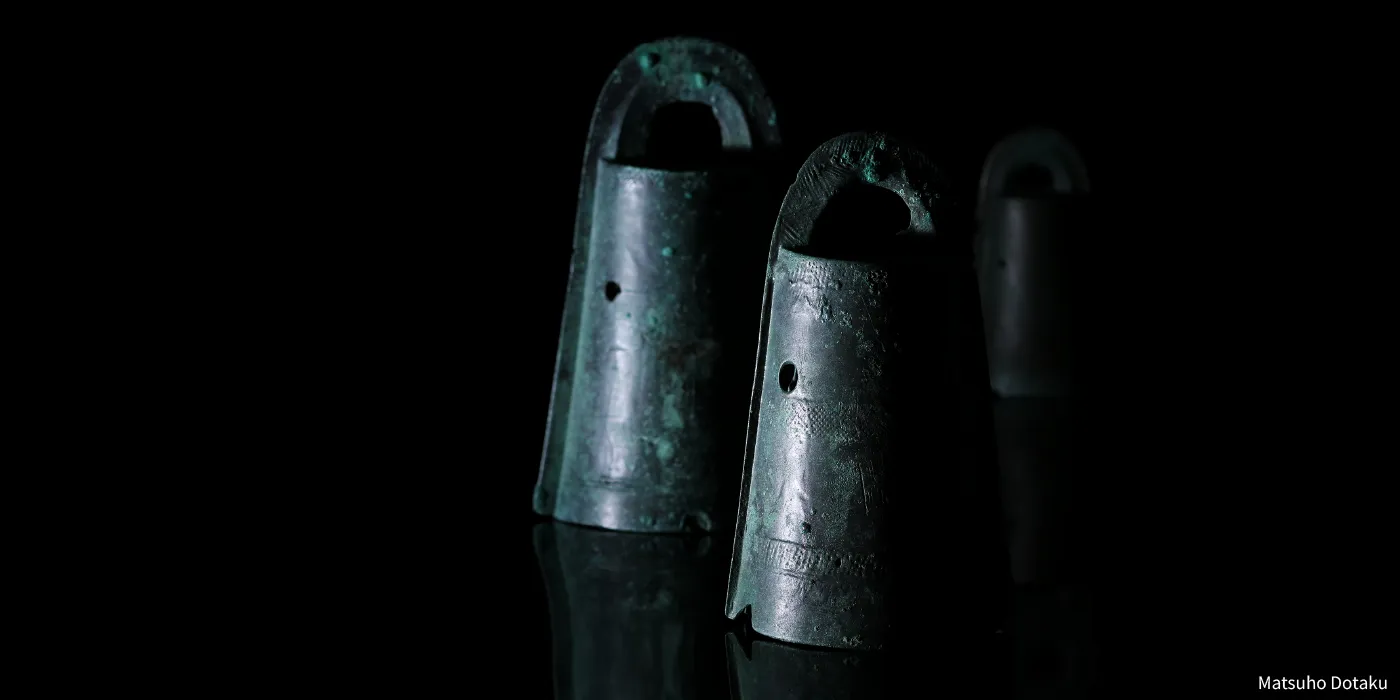
Furthermore, it is known that as far back as the ancient Yayoi period, Umi-no-tami (the people of the sea) involved in emerging technologies, such as dotaku bronze bells and ironware, traveled to and from this island.
Perhaps the close relationship between these people of the sea and the imperial capital helped inspire the story of the birth of Japan itself. Over the centuries, Awaji Island also sustained the imperial court with its rich bounty as a Miketsukuni—a region entrusted with providing food for the emperor and the imperial court.
Myth and history, together with life on the island that continues to this day—
each aspect remains subtly present in the island's scenery.
Set out on a journey to discover where Japan began.
Why not come and experience the Japan Heritage of Awaji Island and create memories that will stay with you long after your journey ends.
Awaji, the Island of Kuniumi:
The Opening Chapter of the Kojiki
(The Oldest Historical Record of Japan)
— The Ama Who Sustained the Ancient State —
The story “Awaji, the Island of Kuniumi: The Opening Chapter of the Kojiki and the Ama Who Sustained Ancient Japan,” submitted jointly by the cities of Sumoto, Minamiawaji, and Awaji, was designated a Japan Heritage story in April 2016.
At the beginning of the Kojiki, Japan's oldest surviving historical record, Awaji is described as a special island—the first to be created in the magnificent myth of the creation of heaven and earth. Behind this story lies the history of the Ama, seafaring people who brought the emerging culture and technology of metalworking to the region and later supported the rulers of the territories around Kyoto and Nara, the ancient Imperial Capital region and life in the imperial capital through salt production and their exceptional maritime navigation skills.
Ponder the Kuniumi Story (Japan's Creation Myth) as you trace the footsteps of the Ama who helped form the ancient state. Even today, various cultural properties sprinkled throughout Awaji Island show deep remnants of a dramatic story woven by thousands of years of history.
-
― STORY ―
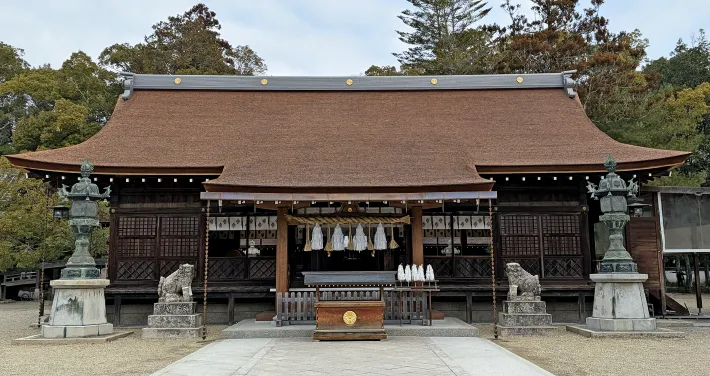
Kuniumi Story (Japan's Creation Myth) – The Story of the Creation of Heaven and Earth Portrayed in the Kojiki
-

― STORY ―
The Umi-no-tami, Who Heralded the Bronze and Iron Ages
-
― STORY ―
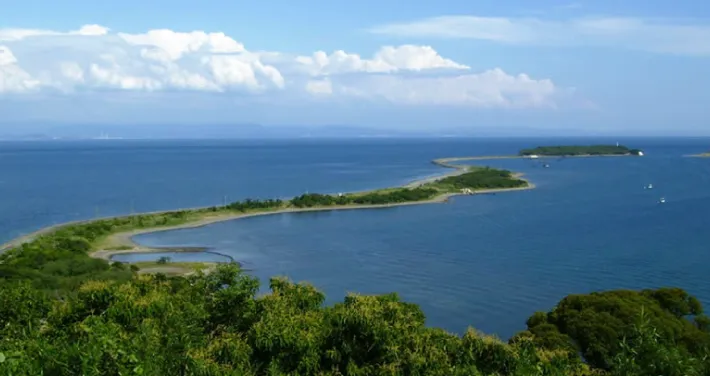
The Ama, Who Supported the Ancient Sovereigns through Salt Production and Seafaring Skills
-
― STORY ―
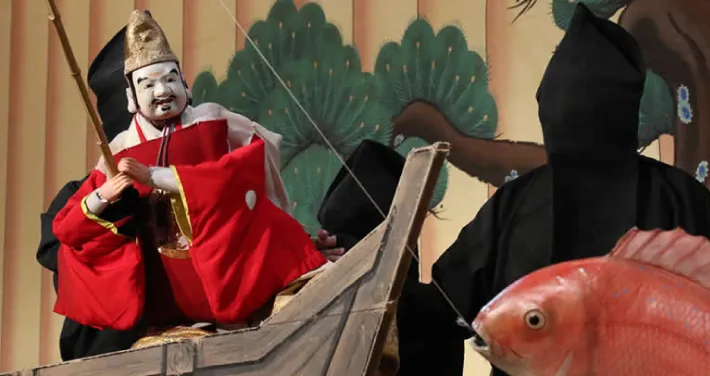
Miketsukuni – The Land That Produced Food for the Imperial Court
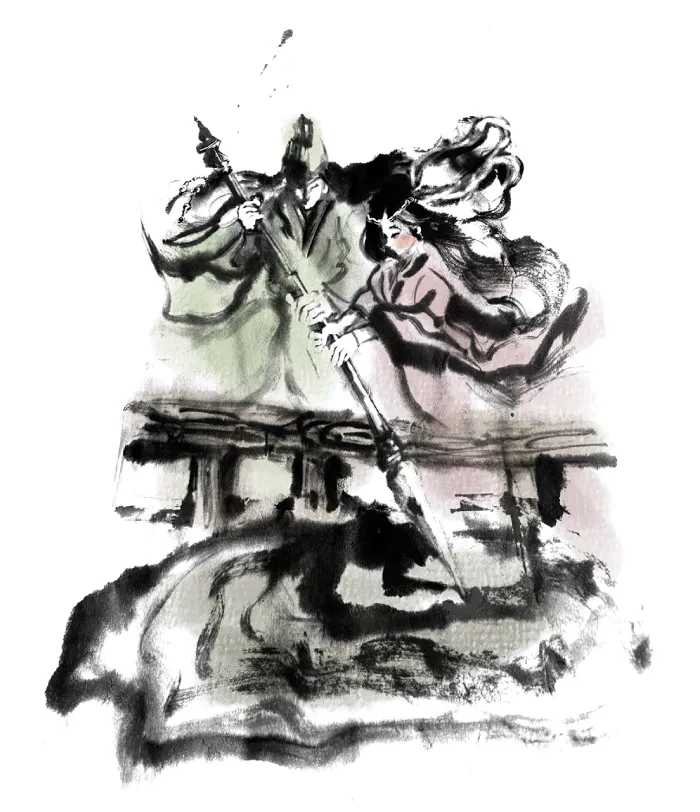
Kuniumi Story
(Japan's Creation Myth)
Awaji Island, where the legend of Japan's creation still endures.
This legend, also known as the Kuniumi Story, explains how the land of Japan was formed. It recounts the story of two deities, Izanagi-no-Mikoto and Izanami-no-Mikoto, who were commanded by the gods of Takamanohara (the Plain of High Heaven), to create the islands that make up the Japanese archipelago.
Suggested Itineraries
-
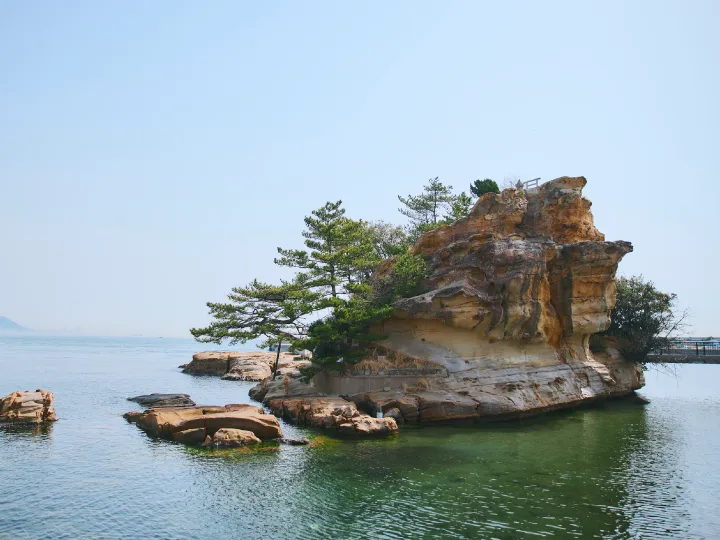
― COURSE ❶ ―
Trace the Umi-no-tami and Kuniumi Story in northern Awaji Island
-
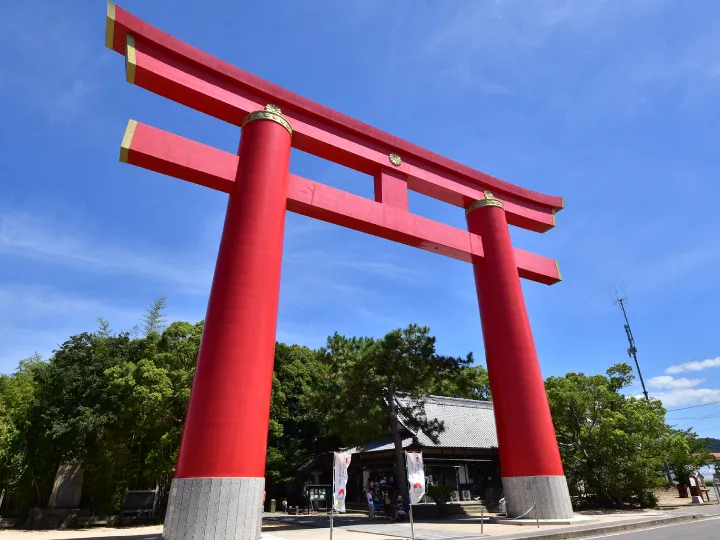
― COURSE ❷ ―
Experiencing the “nature” and “history” of central Awaji Island
-
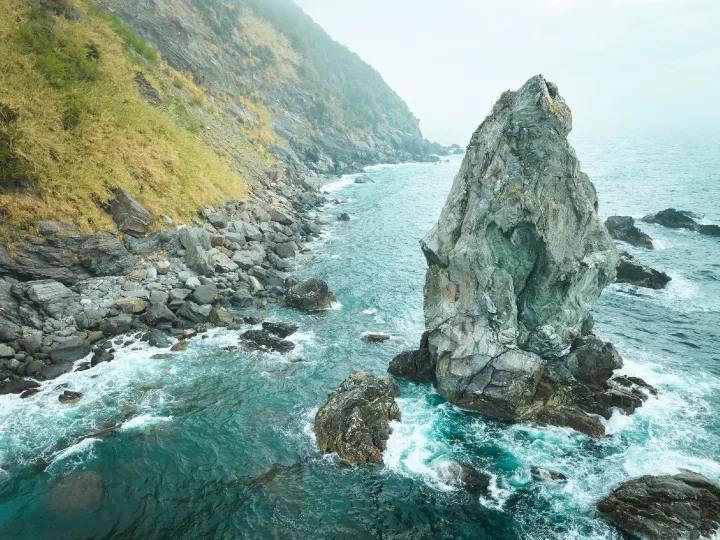
― COURSE ❸ ―
Exploring Nushima, a remote island located south of Awaji Island!
-
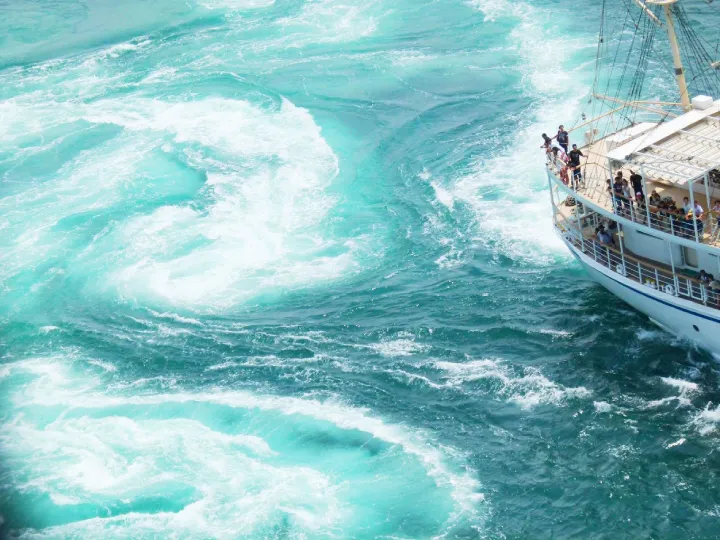
― COURSE ❹ ―
Must-see spots for your first visit!
-
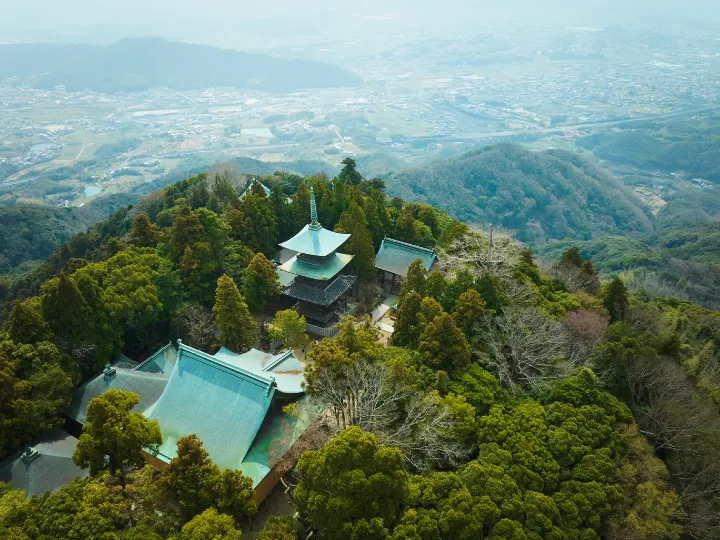
― COURSE ❺ ―
Exploring sites associated with Izanagi-no-Mikoto and Izanami-no-Mikoto
Japan Heritage Cultural Properties Map
- 1Nakagawara Dotaku
- 2Nikkoji Dotaku
- 3Dotaku Archeological Site – Naka-no-Mido
- 4Matsuho Dotaku
- 5Keino Dotaku
- 6Kotsuro Bronze Swords
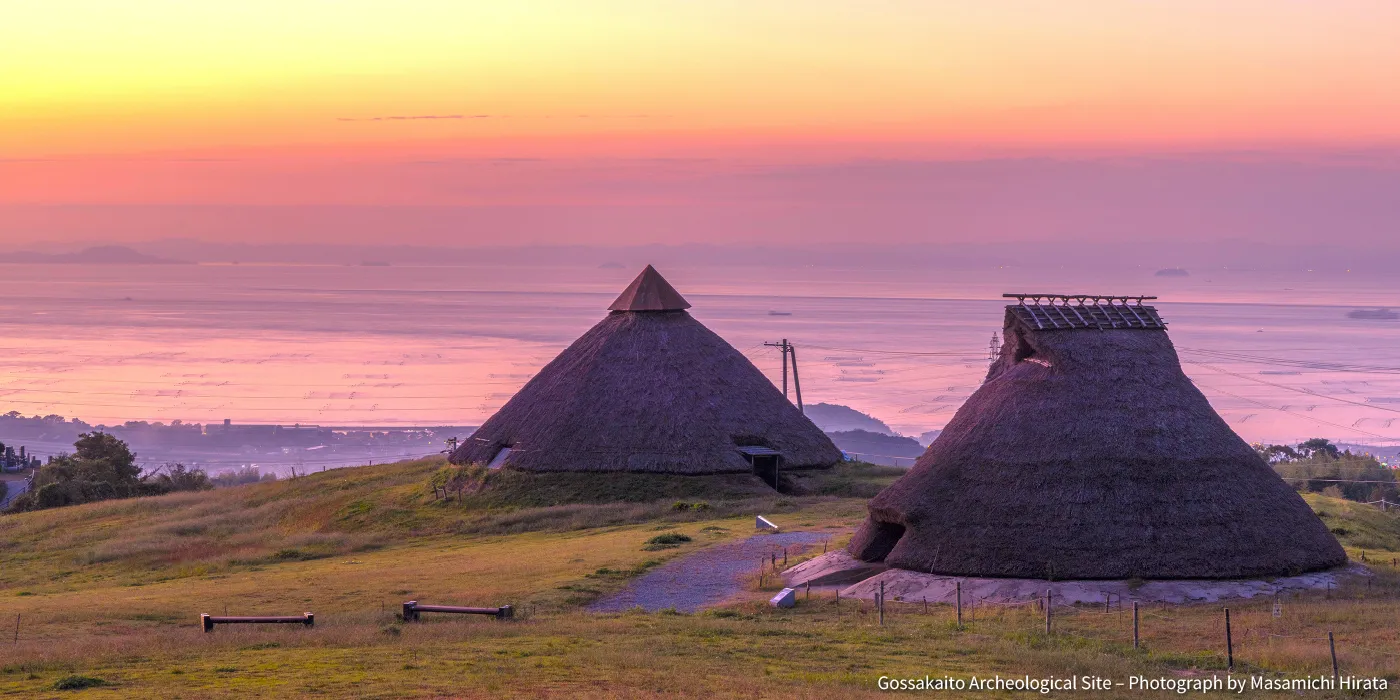
- 7Gossakaito Archeological Site and Artifacts
- 8Shiotsubonishi Archeological Site
- 9Funaki Archeological Site
- 10Futatsuishi Ebisu-no-mae Archeological Site and Artifacts
- 11Shimonaizen Archeological Site
- 12Oki-no-shima Kofun Group and Stone Rods
- 13Ishi-no-neya Kofun Group
- 14Oka-no-tani No. 1 Tomb
- 15Hatada Archeological Site Stone Rods
- 16Kifune Jinja Archeological Site
- 17Hikino Archeological Site
- 18Kyujonai Archeological Site
- 19Kidohara Archeological Site and Artifacts
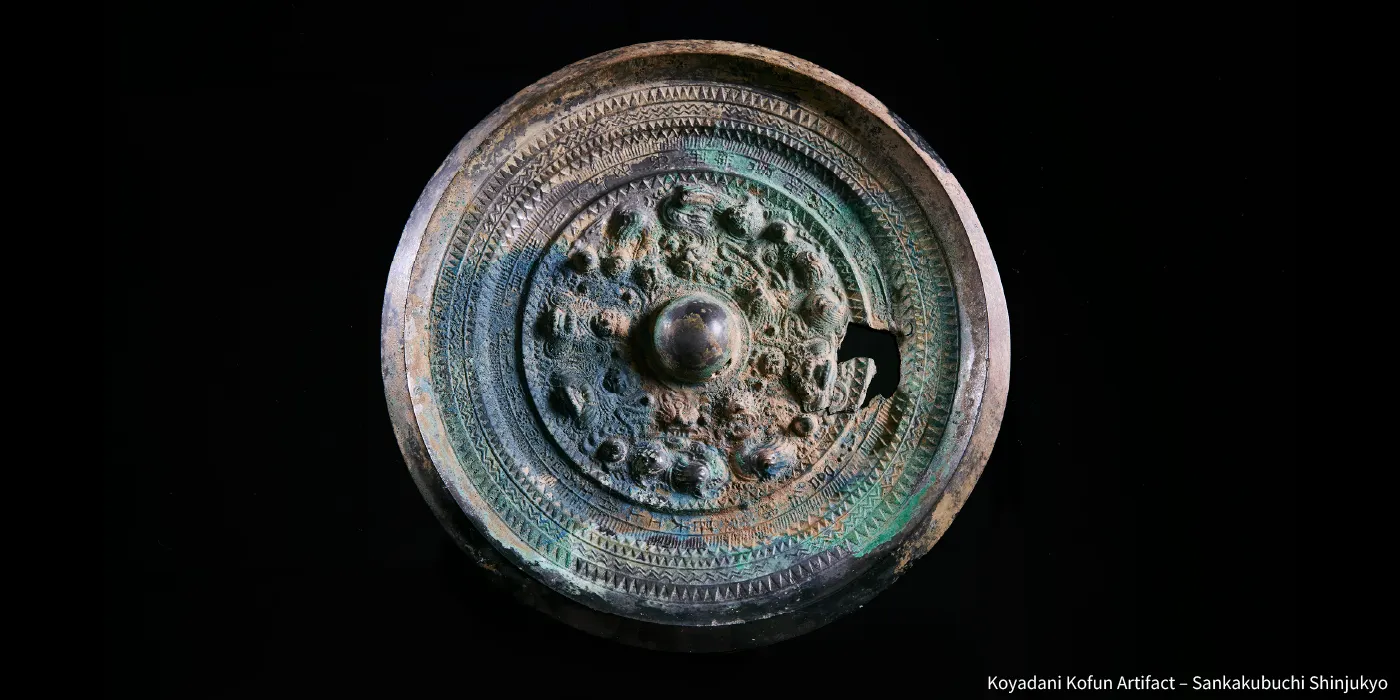
- 20Koyadani Kofun Artifact – Sankakubuchi Shinjukyo
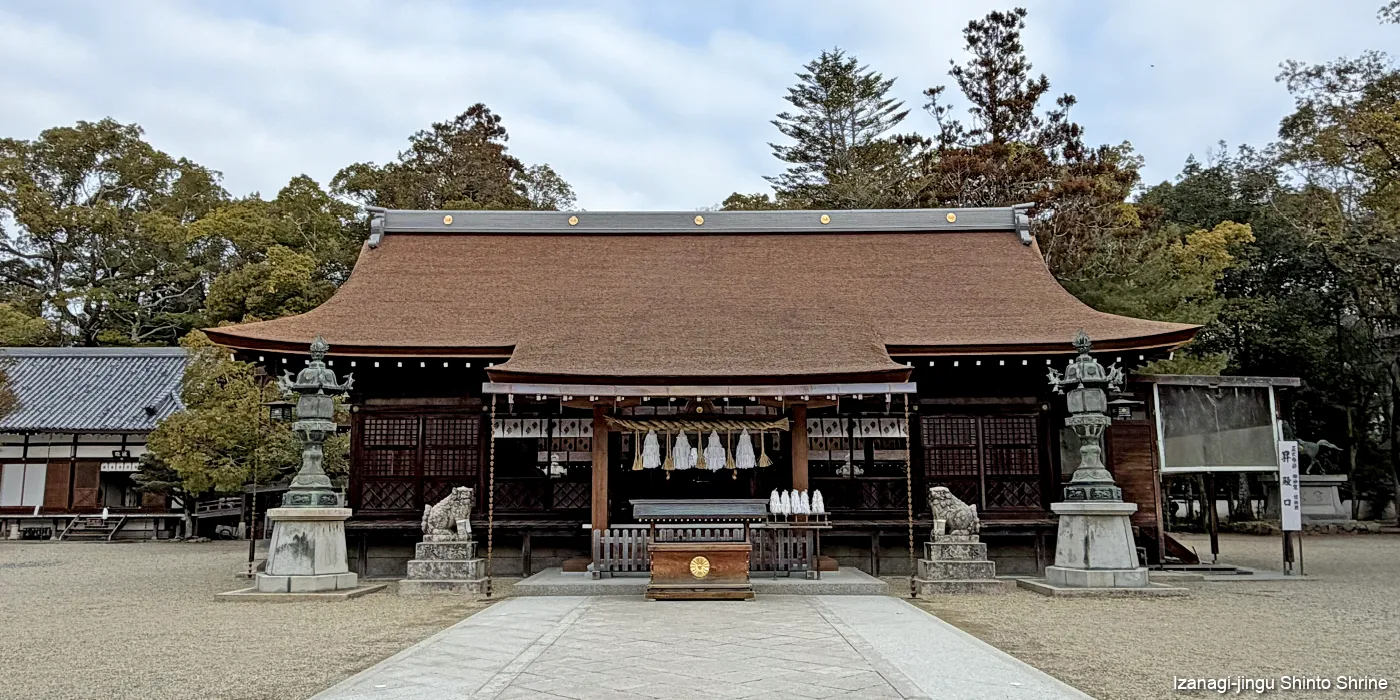
- 21Izanagi-jingu Shinto Shrine
- 22Yamato Okunitama Jinja Shinto Shrine
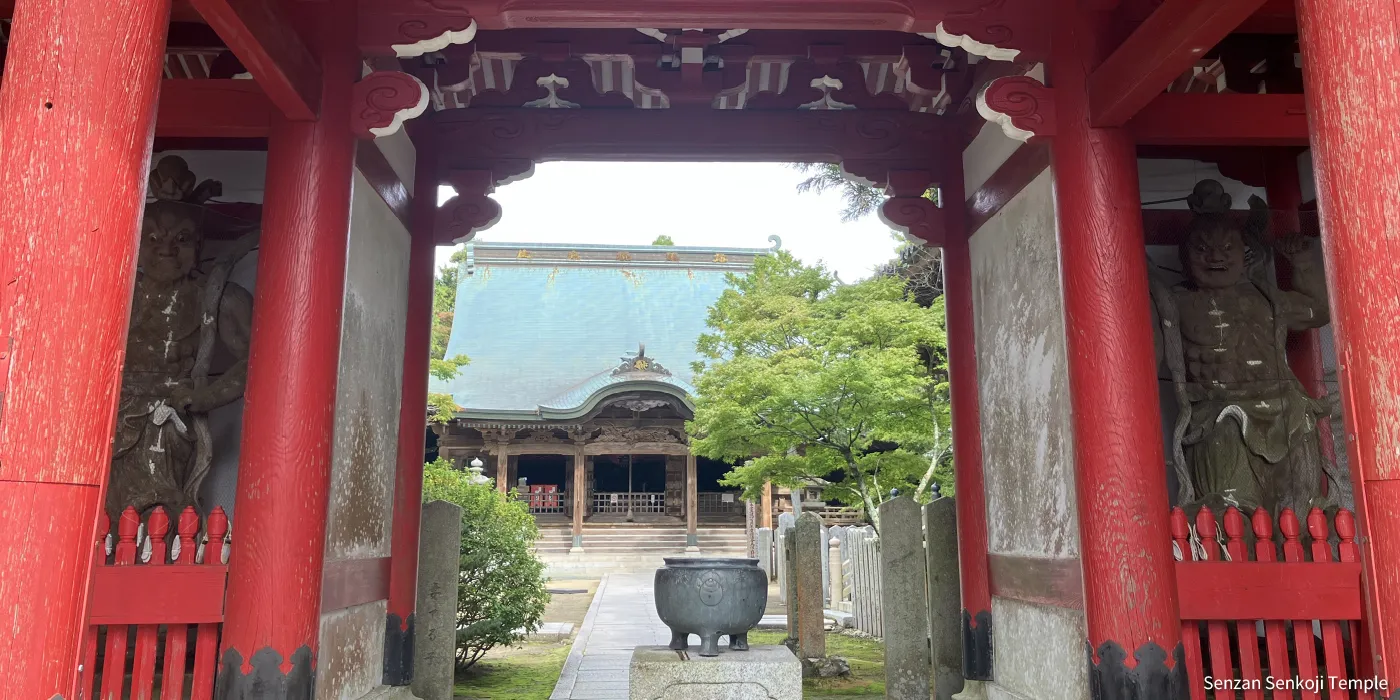
- 23Senzan Senkoji Temple
- 24Oi-no-Shimizu Spring
- 25Akashi Strait and Matsuho-no-ura Bay
- 26Kitan Strait, Yura & Narugashima Island
- 27Naruto Strait and Whirling Tides
- 28Awaji Ningyo Joruri (Awaji Puppet Narrative)
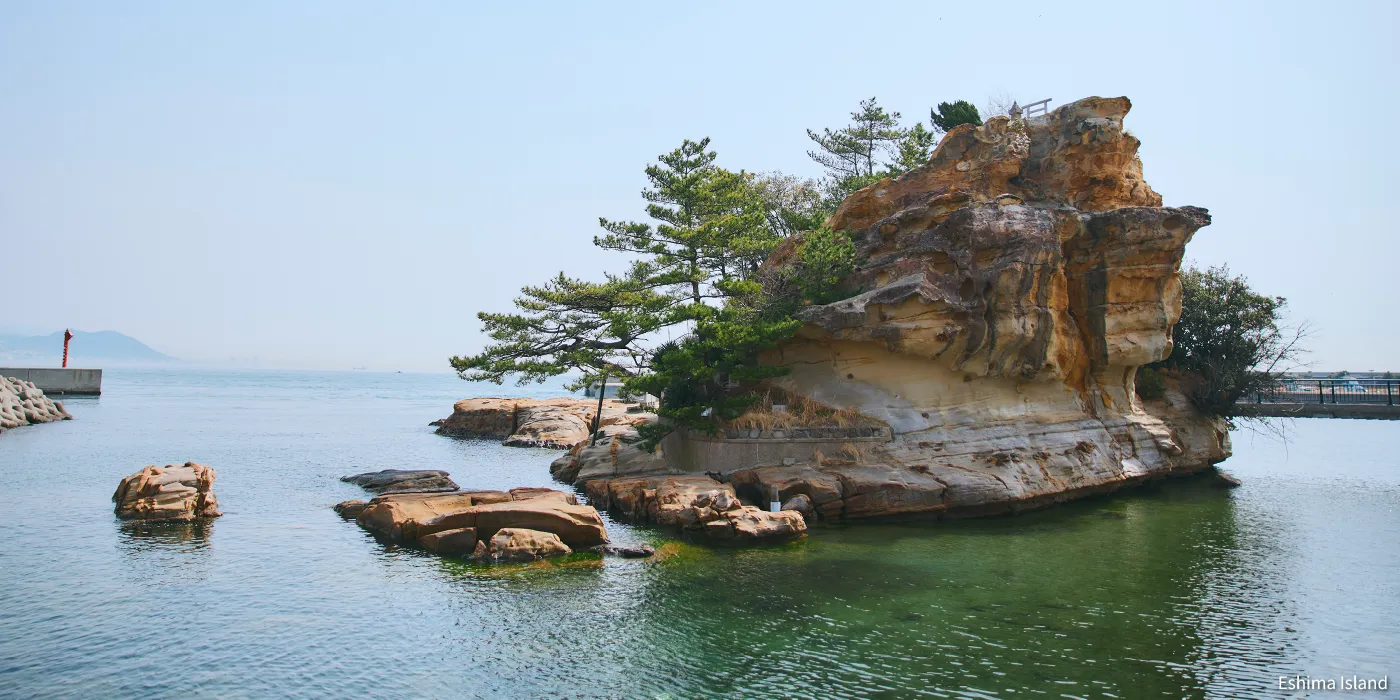
- 29Eshima Island
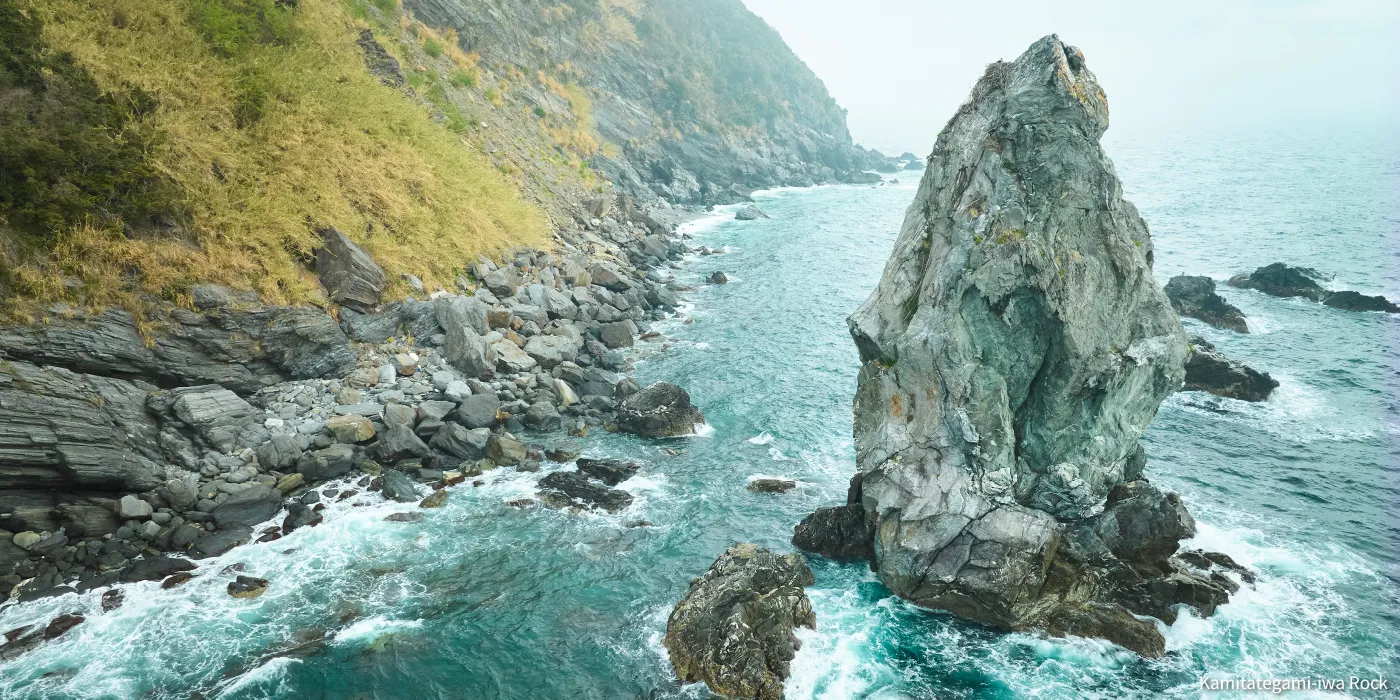
- 30Onokorojima Jinja Shinto Shrine and Legendary Sites of the Kuniumi Story
- 31Nushima Island

Getting to Awaji Island


What is Japan Heritage?
Japan Heritage is a program in which the Agency for Cultural Affairs recognizes stories showcasing Japan's culture and traditions through historical points of interest and distinctive characteristics of regions throughout Japan.
By bringing together compelling groups of tangible and intangible cultural properties and presenting them through engaging stories, the program seeks to share the unique cultural appeal of each region and contribute to local revitalization.
